Important Tips for Finding a Dependable Auto Repair Shop
Choosing a dependable auto repair shop is vital for the safety and upkeep of your vehicle. Several key factors play a role in this choice, from technician credentials to customer testimonials. Knowing the details of warranty agreements can help avoid problems down the road. Effective communication with mechanics also is instrumental in guaranteeing reliable repairs. All of these elements impact the final outcome. What should one prioritize when making this important choice? These helpful tips will guide you toward selecting a reliable repair facility.
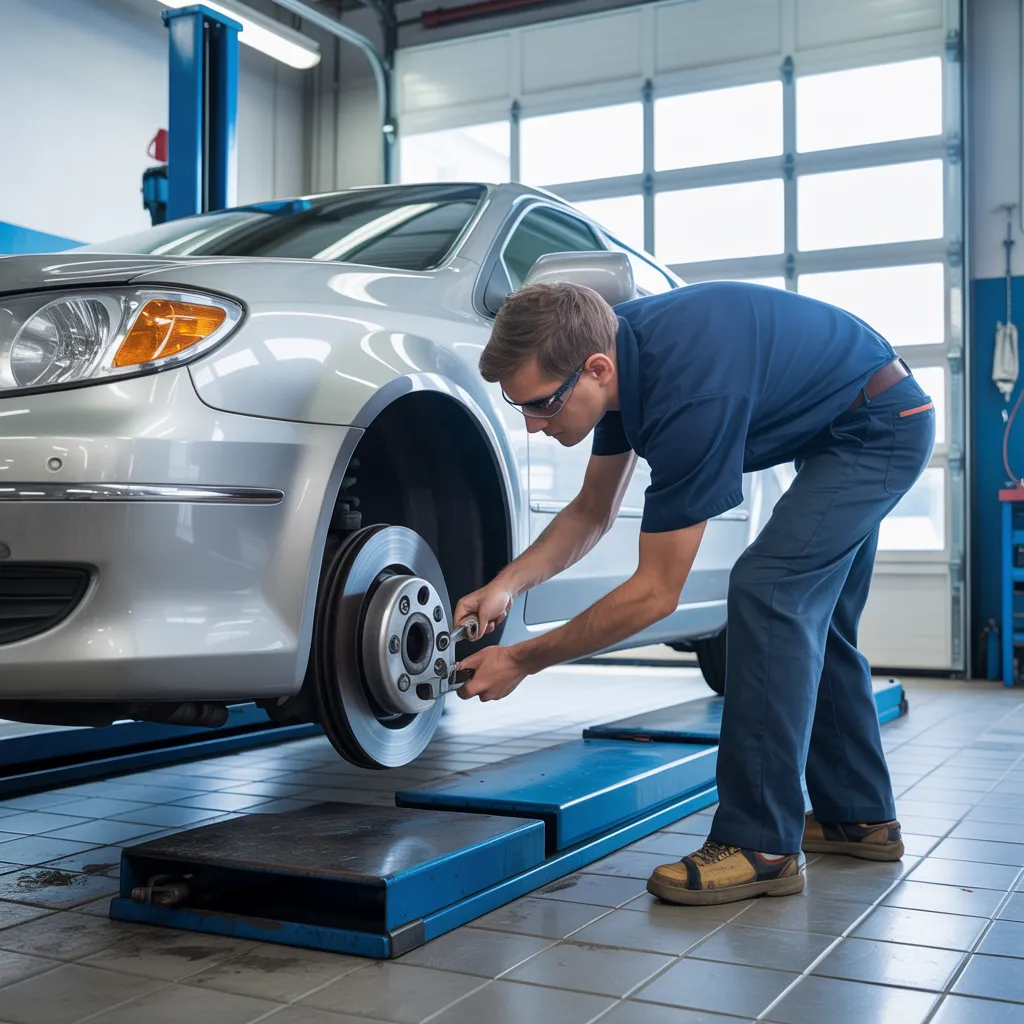
Why Selecting the Right Auto Repair Shop Is Important
Picking the correct auto repair shop is crucial, as it can substantially impact both vehicle performance and owner peace of mind. A dependable shop assures that repairs are performed correctly, improving the longevity and efficiency of the vehicle. Owners who select a trustworthy establishment often experience fewer breakdowns and lower repair costs over time, as quality work minimizes the need for repeat visits.
In addition, a dependable auto repair shop builds a sense of trust among vehicle owners. They are more likely to feel secure in their choice, knowing that experienced technicians are handling their cars. This confidence can lead to more consistent maintenance practices, ultimately resulting in increased vehicle safety. Furthermore, forming a relationship with a trustworthy shop can simplify the repair process, providing easy access to professional guidance and efficient service. To summarize, making an knowledgeable choice in auto repair can greatly affect both the car's functionality and the car owner's total contentment.
Seek Out Certifications and Qualifications
When seeking an auto repair shop, it is essential to assess the qualifications and certifications of the technicians. Qualified technicians typically possess advanced training and have proven their skills through examinations. Typical certifications include those from the National Institute for Automotive Service Excellence (ASE), which reflects a high level of expertise and competence. Additionally, associations with reputable organizations, such as the Automotive Service Association (ASA), can help establish a shop's adherence to professional standards.
A properly certified technician is more capable of diagnose issues accurately and perform necessary repairs efficiently, ultimately leading to enhanced service outcomes and increased customer satisfaction. Checking for brand-specific credentials can also confirm that service professionals are educated in cutting-edge techniques and updated repair procedures for particular automobile manufacturers. By focusing on credentials and professional qualifications, automobile owners can improve their prospects for receiving reliable and effective auto repair services.
Explore Customer Reviews for Your Auto Repair Shop
How can customer reviews influence the choice of an auto repair shop? Customer reviews serve as valuable insights into the experiences of previous clients, providing a glimpse into the quality of service offered. Future clients can evaluate factors like reliability, professionalism, and pricing by reading these testimonials. Glowing reviews commonly point to a dependable and trustworthy shop, whereas critical feedback may reveal possible concerns.
Furthermore, evaluations can expose consistent service characteristics, such as predictable wait times or the quality of repair work. Digital platforms and social media enhance these perspectives, simplifying the process of collecting varied feedback. When reviewing a car repair establishment, individuals should consider the general score alongside particular remarks relating to service performance and customer experience. This information can guide them toward a shop that meets their needs and expectations, ultimately ensuring a more satisfactory automotive repair experience.
A Guide to Warranty and Guarantee Policies
Comprehending warranty and guarantee terms is crucial when choosing an auto repair shop. These policies outline what repairs are covered and the conditions under which they operate. Learning the details can help consumers make educated choices and provide peace of mind about their vehicle repairs.
Warranty Coverage Information
Managing warranty coverage information can greatly impact the general satisfaction with an auto repair shop. explore article A solid understanding of what is protected under warranty can avoid confusion and dissatisfaction. Auto repair shops frequently offer warranties on labor and parts, but the details can vary significantly. Customers should ask about the warranty period, the categories of repairs or parts covered, and any exclusions that may apply. Additionally, it is essential to understand whether the warranty is recognized nationwide or confined to the individual shop. Thoroughly reviewing these details before committing to services guarantees that customers are protected against likely defects or concerns. This informed approach fosters trust and enhances the overall repair experience.
Guarantee Terms Explained
What should customers know about guarantee terms when selecting an auto repair shop? Understanding the distinction between warranties and guarantees is essential. A warranty typically covers specific repairs or parts for a designated period, so that if complications emerge, the shop will handle them at no additional expense. By comparison, a guarantee frequently represents the shop's pledge to superior craftsmanship, promising satisfaction or a refund if the service fails to meet standards. Customers are encouraged to ask about the length, specific coverage, and limitations associated with these policies. It is also advisable for them to read the fine print thoroughly to avoid potential misunderstandings. By gaining clarity on these terms, customers can make educated decisions and opt for a repair shop that takes pride in its work.
How to Effectively Communicate With Your Mechanic
How can someone ensure that interactions with a mechanic is both clear and effective? To begin, one should describe the vehicle's symptoms in detail. Rather than using unclear descriptions, the focus should be on particular problems, like strange sounds or illuminated dashboard indicators. This helps the mechanic pinpoint the problem more effectively.
Additionally, asking questions plays a vital role. Questioning the repair process, needed parts, and projected timelines helps develop a more thorough understanding. Active listening plays a significant role as well; one should pay attention to the mechanic's explanations and ask for clarification if anything is unclear.
Furthermore, it is advantageous to develop a connection with the technician. Establishing trust can bring about improved service and more personalized care for the vehicle. To conclude, maintaining written records of earlier repairs and service work can enhance communication by supplying context for continuing issues. Proper communication invariably creates a more satisfactory automotive experience.
Compare Quotes and Pricing
A comprehensive assessment of rates and quotes can highlight significant disparities between vehicle service centers. When looking for auto repairs, customers should request bids from different repair facilities to determine the prevailing price for necessary work. This approach not only sheds light on anticipated charges but also reveals variations in service offerings.
It is important to evaluate what each estimate encompasses. Some establishments might advertise reduced prices but cut corners on parts quality or service warranties, while others may charge more for superior service and parts. Moreover, being aware of how costs are broken down—labor, components, and any undisclosed fees—can help consumers make an informed choice.
In addition to cost, you should also take reputation and customer service into account. An establishment with modestly higher rates may supply superior reliability and a more trustworthy service. When all is said and done, striking a balance between price, quality, and service reputation secures a more successful outcome for car repairs.
Common Questions and Answers
What Are the Signs That a Shop Is Trustworthy?
A reliable shop often showcases credentials, features clear rates, and has positive customer reviews. Moreover, a friendly setting with skilled staff can indicate dependability, while open interaction and guarantees further enhance trustworthiness in their offerings.
What Should I Do if I'm Unsatisfied With Repairs?
If unsatisfied with repairs, the customer should initially address their concerns with the shop directly. If unresolved, obtaining a second opinion or reaching out to consumer protection agencies may be required to resolve the matter appropriately.
Are There Certain Red Flags You Should Be Aware Of?
Key red flags to be aware of consist of absence of proper certifications, imprecise cost estimates, unresolved workmanship, poor customer reviews, unprofessional conduct, and reluctance to provide detailed explanations. These factors commonly suggest concerns regarding the repair facility's dependability.
How Often Should I Get My Vehicle Serviced?
Cars generally need to be maintained every 5,000 to 7,500 miles or every 6 months, whatever milestone is reached first. Regular maintenance is essential for peak performance, driver safety, and longevity, avoiding expensive repairs and elevating the overall driving experience.
Am I Able to Request Old Parts Following Repairs?
Absolutely, clients can inquire about seeing old parts after repair work is completed. Most reputable shops are happy to fulfill such requests, as being transparent helps establish trust. Knowing the state of the old parts can provide reassurance about the level of service delivered.